Posts

Showing posts with the label autism

The Crisis that Never Happened?

Image
A few months ago everyone around me who was working with vulnerable young people seemed to be gearing up for a mental health crisis. Floods of referrals would be needed, and who was set up for online consultations? Home visits? Who’s in charge of the trauma recovery programme? Now, from where I’m standing, it feels as if the crisis we were expecting never, really... happened. Or at least hasn’t happened yet. Why? Landscape #5 by Fabienne Monestier 15 years ago, on the day of the 7/7 bombings, I was working in a large hospital a couple of miles away from Tavistock Square. Please, don’t clap for me. I was an accounts administrator in the private outpatient wing. Anyway, my lasting memory of this day is of all these consultants tearing away from their private consultations, donning scrubs (it was the first and last time I ever saw them wearing scrubs) and milling around near A&E. Ready and, heroically, waiting. For patients that never arrived. The number of people injured turned out t...
A Case of Simple Arithmetic

Image
“Thomas Gradgrind, sir. With a rule and a pair of scales, and the multiplication table always in his pocket, ready to weigh and measure any parcel of human nature, and tell you exactly what it comes to. It is a mere question of figures. A case of simple arithmetic.” (Hard Times) Falling by Matej Anzin Reducing people to numbers, so as to decide what treatment they might receive, may give off the appearance of striving for objectivity and fairness. But the simplicity of the numbers belies the messy, human complexity of people's lived experiences sidelined by this approach. Here I'm arguing that it's only through being receptive to this complexity that we can ever hope to achieve real health justice for people with learning disabilities. Making hard decisions easier, not fairer Assigning numbers to people is of course an inherently dehumanising act. The Nazis knew this, prison wardens know it too. But it's also something that happens when well intention...

Telling Your Own Story

Image
"To survive, you must tell stories" (Umberto Eco) 'Writing My Heart Out' by Gladiola Sotomayor A couple of months ago I was approached by an arts organisation who were looking to work with a group of students who had writing difficulties. They would run a series of workshops with them, helping each student develop ideas for their own play, then have a team of playwrites and scribes turn these ideas into a set of playscripts. Finally, these scripts would be given to a team of actors, and students (and their families) would have the chance to see their own plays performed on stage. It was aimed at dyslexic students, but I broadened the definition to ensure we had a cohort who would be able to engage with the project and see it through to the end. So with the dyslexic students I also included some who were autistic, and others who had a range of social communication and mental health problems. The theatre company's line was that it was fo...

Autism, Superpowers and Disabilities

Image
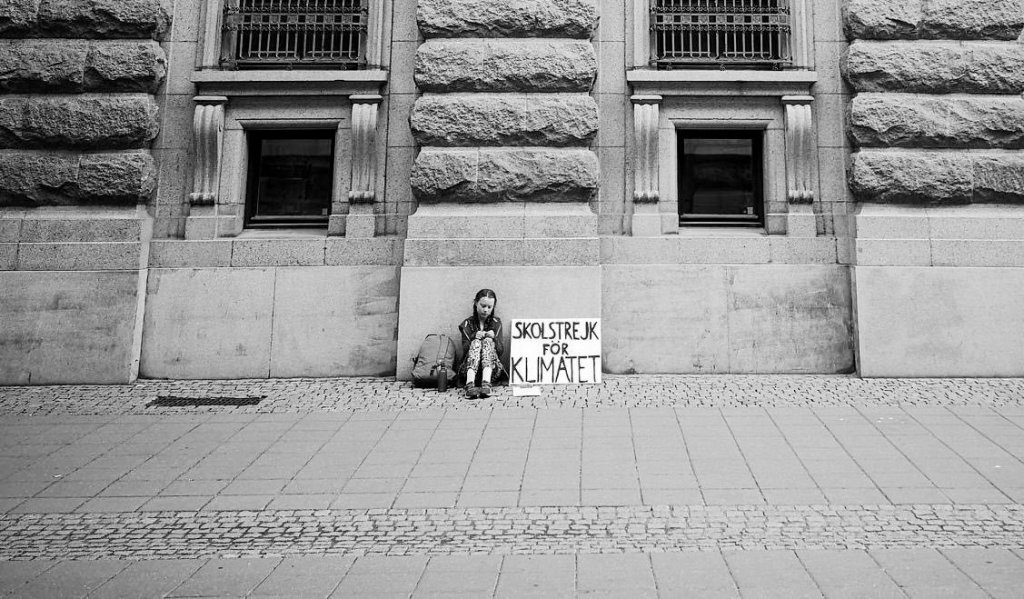
"Given the right circumstances, being different is a superpower." Greta Thunberg. Greta Thunberg holding her first climate strike, August 2018, outside the Swedish parliament When Greta Thunberg compared her Autism to a 'superpower', she thrilled a growing movement of neurodiversity advocates, eager for another prominent spokesperson to proudly show the world that autism is a difference not disability. It is an approach that has informed the direction of travel for a great deal of SEN policy and practice in the 21st Century so far. Dyslexic students are described not as having a learning difficulty but as having a dyslexic-type learning preference . The philosophy of neurodiversity is quite simple: Different people's brains work in different ways. For people on the spectrum of dyslexic type difficulties, this will mean a preference for visual, kinaesthetic learning activities. For many on the autistic spectrum, this will mean a preference for rout...